
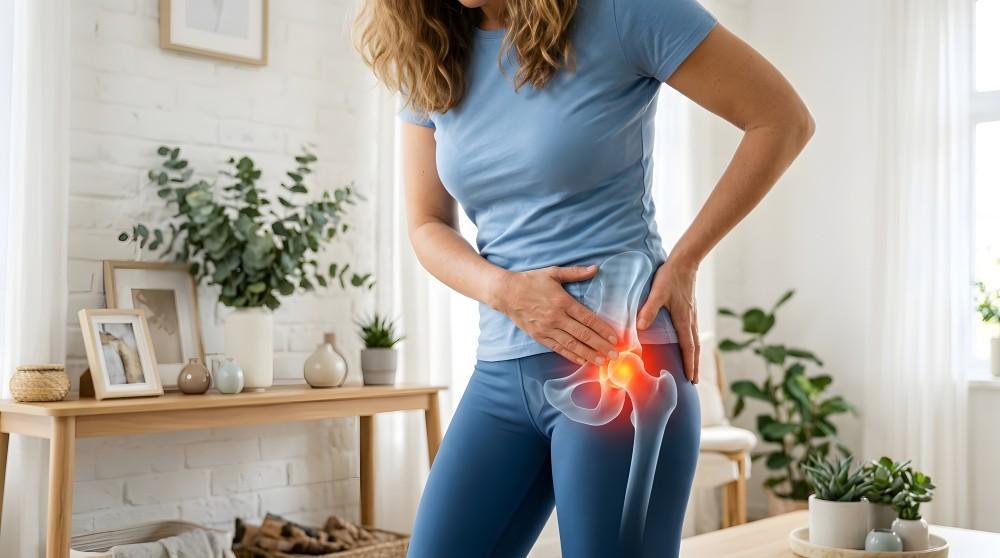
4 Habits That Are Secretly Damaging Your Hip Joints
Are your daily routines quietly wearing down your hips? Discover 4 common habits that secretly damage your hip joints and how to protect your mobility.
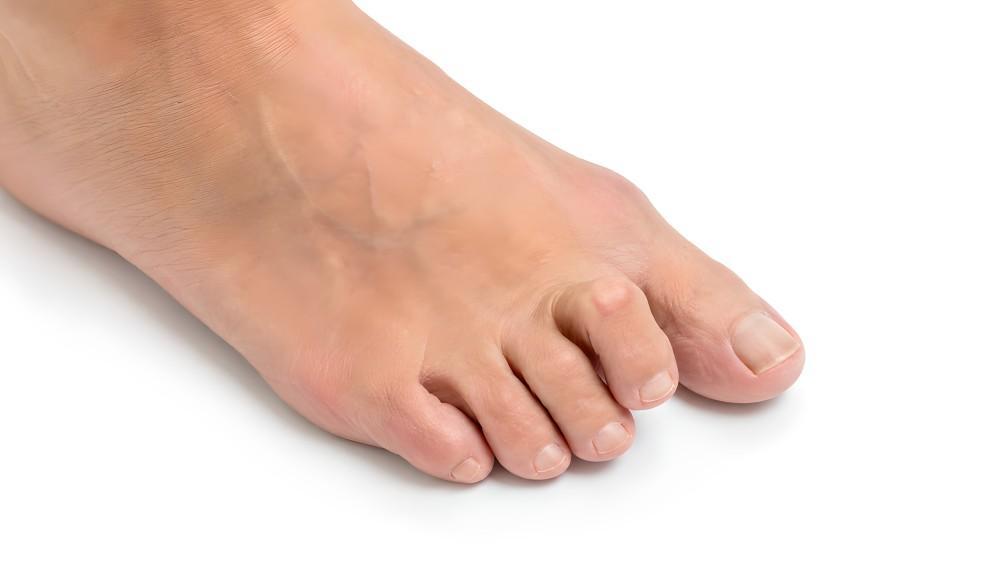
Does your toe bend downward and rub against your shoes? A hammertoe can start as a mild nuisance but quickly turn into a source of chronic pain.
At the Center for Orthopaedics and Sports Medicine, Dr. Michael L. Blackwell helps patients in Tomball, Kingwood, and Conroe, TX, find relief. We provide personalized foot and ankle care to restore your mobility and comfort.
No, over-the-counter devices cannot permanently reverse a rigid hammertoe. Toe spacers and splints can temporarily ease friction, but they cannot stretch a frozen joint.
According to the Cleveland Clinic, advanced hammertoes involve structural changes that freeze your toes in a curled shape. At this stage, non-surgical tools only manage symptoms, not the deformity.
We offer custom foot orthotics to address the root cause of your foot instability. These inserts support your arches and help prevent your other toes from bending.
No, hammertoe surgery is a medical reconstruction designed to relieve chronic pain and prevent severe skin ulcers. It is never performed simply to improve how your feet look.
In fact, the American Orthopaedic Foot & Ankle Society does not support foot surgery when the sole goal is cosmetic. We only consider surgery when your daily activities are limited and conservative options fail.
Dr. Blackwell carefully evaluates your foot structure to ensure surgery is medically necessary and safe for you.
Surgical recovery requires a structured timeline to help the bones and tendons heal correctly. Straightening a rigid toe is a major functional change that takes time.
According to a clinical protocol from the University of Colorado School of Medicine, surgical pins typically remain in the toe for six weeks. During this initial healing phase, you must wear a rigid surgical shoe and walk only on your heel.
Our team monitors your healing closely. We help you safely transition back into supportive athletic shoes as your strength returns.
You do not have to live with constant foot pain or struggle to find comfortable shoes. If conservative treatments are no longer working, we can help you explore your surgical options.
To find relief, schedule a consultation with our orthopaedic team today.


